
When most people hear the word “Botox”, they immediately think of smooth foreheads, wrinkle-free skin, and celebrities trying to maintain a youthful look. But Botox can be much more than a cosmetic treatment. In fact, its varied medical applications can be even more impressive than its aesthetic ones. Over the past few decades, doctors have discovered that Botox can help to treat a wide range of health conditions, from chronic migraines, to excessive sweating, muscle spasms and even depression.
The mechanism that Botox employs to paralyze muscles in the face has also been proven to be incredibly useful for treating medical conditions that involve muscle overactivity, nerve dysfunction and chronic pain. Originally developed for treating eye muscle disorders, Botox’s cosmetic potential was uncovered almost by accident when patients started noticing that their wrinkles were disappearing!
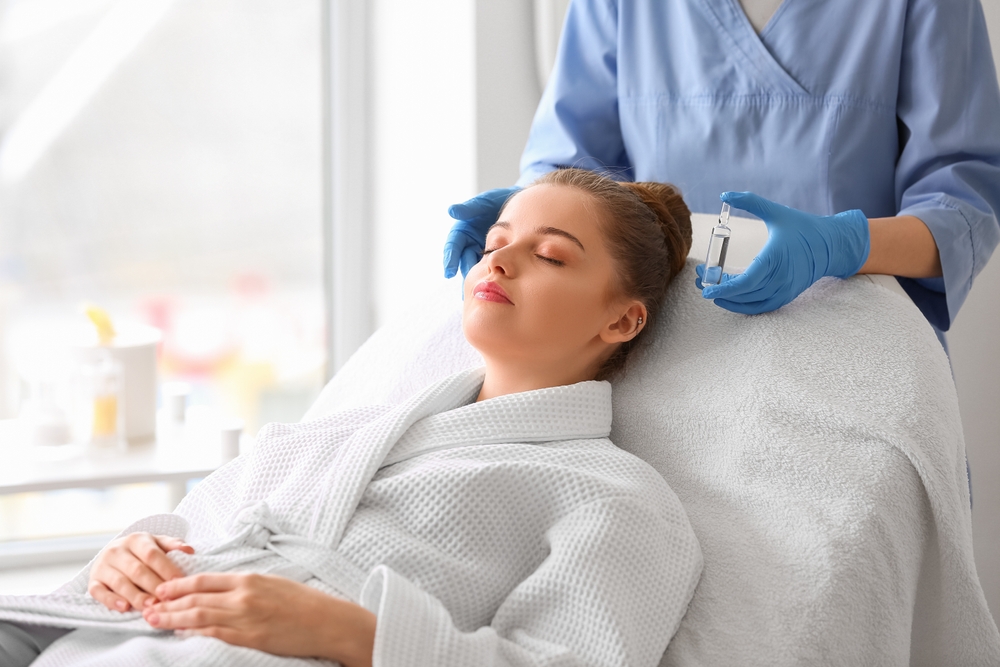
Today, Botox is FDA approved for several medical conditions, and researchers continue to explore new uses. It’s helping people with conditions that were once difficult to manage, giving them relief and improving their quality of life. For those suffering from chronic pain, involuntary muscle movements or a range of other conditions, Botox has been found to be life-changing.
Despite its effectiveness, Botox isn’t a one-size-fits-all solution, and it does come with risks. Side effects, potential complications and the importance of receiving treatment from a qualified professional all need to be considered. But for many, the benefits far outweigh the risks.
What is Botox?
Botox (short for Botulinum toxin) is a neurotoxin that temporarily relaxes the muscles responsible for creating wrinkles. When injected in small, controlled amounts, it blocks nerve signals to specifically targeted muscles and prevents them from contracting. As wrinkles are often caused by repetitive movements like frowning or squinting, Botox helps to soften these lines by keeping the muscles in a more relaxed state.
While Botox is the most recognized name, there are similar alternatives on the market like Dysport, Xeomin and Jeuveau. They all function similarly, though people experience slight differences in how quickly they take effect or how long they last.
| Injectable | Main Ingredient | FDA-Approved Medical Uses | Mechanism of Action | Duration of Effect | Common Side Effects |
|---|---|---|---|---|---|
| Botox (onabotulinumtoxinA) | Botulinum toxin type A | Chronic migraine, cervical dystonia, overactive bladder, spasticity, hyperhidrosis, strabismus, blepharospasm | Blocks nerve signals to muscles/glands | 3–6 months | Injection site pain, muscle weakness, flu-like symptoms |
| Dysport | Botulinum toxin type A (abobotulinumtoxinA) | Cervical dystonia, spasticity | Similar to Botox; faster diffusion | 3–5 months | Headache, injection site discomfort, muscle weakness |
| Xeomin | Botulinum toxin type A (incobotulinumtoxinA) | Cervical dystonia, blepharospasm, upper limb spasticity | Purified form of toxin without accessory proteins | 3–6 months | Dry mouth, neck pain, fatigue |
| Myobloc | Botulinum toxin type B (rimabotulinumtoxinB) | Cervical dystonia, sialorrhea (excessive drooling) | Blocks acetylcholine release at nerve endings | 2–4 months | Dry mouth, injection site pain, swallowing difficulty |
| Botox (off-label uses) | Botulinum toxin type A | Depression, TMJ disorder, anal fissures, bruxism, gastroparesis | Muscle relaxation, pain modulation | Varies by condition | Depends on injection site and dosage |
Botox wasn’t originally intended for cosmetic use. In fact, its journey began in the late 1970s when ophthalmologists started using it to treat eye muscle disorders like strabismus (crossed eyes). Patients receiving these treatments noticed an unexpected side effect—their wrinkles disappeared. This eventually led to its approval for cosmetic purposes in the early 2000s.
But beyond beauty, Botox has gained recognition as a legitimate treatment for various medical conditions, from neurological disorders to chronic pain syndromes. Its versatility is impressive, and ongoing research continues to uncover new therapeutic uses. While it may have a glamorous reputation in the beauty industry, Botox’s true impact reaches far beyond aesthetics, improving the quality of life for many people dealing with serious health issues.
Medical Conditions Treated with Botox
While Botox is best known for its wrinkle-smoothing abilities, its real power lies in medicine. It has been FDA-approved for several conditions and is used off-label for many others. Whether it’s easing debilitating migraines, calming overactive muscles, or even helping with mental health, Botox has proven itself as more than just a beauty treatment.
Let’s take a deep dive into the wide range of medical conditions Botox can help manage.
Neurological and Muscular Disorders
Botox has become a powerful tool in neurology, offering relief to patients suffering from chronic pain, muscle disorders, and involuntary movements. By blocking nerve signals that cause muscle contractions, it helps manage conditions that can be painful, debilitating, or even disabling. Let’s explore some of the most common neurological and muscular disorders treated with Botox.
Chronic Migraines
If you’ve never had a migraine, consider yourself lucky. A regular headache is annoying, but a migraine is something else entirely. It can come with nausea, sensitivity to light and sound, dizziness, and even visual disturbances. Now imagine living with that kind of pain for more than half the month, this is the reality for people with chronic migraines.

Botox was approved for chronic migraine treatment in 2010, after researchers discovered that people who were getting Botox for cosmetic reasons reported fewer headaches. Scientists now believe that Botox for migraines works by blocking the release of certain pain-related neurotransmitters. In this way, migraines are stopped before they even start.
Treatment involves about 30-40 small injections around the forehead, scalp, neck, and shoulders. It sounds intense, but the needles are tiny, and most patients say it’s relatively painless. The results aren’t immediate – it usually takes a few weeks and multiple sessions to see significant improvement—but for many migraine sufferers, Botox is life-changing. Studies show that after two treatment cycles, patients experience up to 50% fewer migraine days per month. Some people even report their migraines disappearing entirely.
While Botox isn’t a cure, it’s one of the most effective long-term treatments available. And for those who’ve tried everything from painkillers to lifestyle changes with no success, it can feel like a miracle.
Cervical Dystonia (Neck spasms)
Cervical dystonia, also called spasmodic torticollis, is a rare but incredibly painful condition where the neck muscles contract involuntarily, causing the head to twist, tilt, or jerk uncontrollably. It can make simple tasks like driving, reading, or even just sitting still extremely difficult. The pain can be severe, and the muscle contractions can become so forceful that they lead to headaches, nerve pain, and long-term muscle damage.
Botox can help by relaxing the overactive muscles, reducing spasms and pain. Injections are typically placed in specific muscles based on the patient’s symptoms, and the effects start kicking in within a week or two. Most patients experience significant relief, with results lasting around three months before a follow-up treatment is needed.
While Botox doesn’t cure cervical dystonia, it can dramatically reduce symptoms, allowing people to move their necks more freely and live with less pain. For many, it’s the difference between struggling through each day and getting their life back.
Spasticity from Stroke, Multiple Sclerosis (MS), or Cerebral Palsy
Muscle spasticity is a condition where muscles remain stiff, tight, or resistant to movement. It’s common in people who’ve had strokes, as well as those living with multiple sclerosis (MS) or cerebral palsy (CP). The stiffness can range from mild discomfort to severe, painful contractions that limit mobility. Spasticity can make it difficult to perform everyday activities, such as walking, dressing, or even holding a utensil.
Botox is widely used to manage spasticity because it relaxes overactive muscles, making movement easier and less painful. Depending on the patient’s needs, injections might be given in the arms, legs, or other affected areas. The goal isn’t just to reduce tightness but also to improve range of motion, allowing for better function and comfort.
For stroke survivors, Botox can be particularly helpful in the rehabilitation process. It can make physical therapy more effective by loosening up muscles and allowing patients to relearn movements without fighting against spasticity. Similarly, in MS and CP patients, Botox can prevent muscles from becoming permanently contracted, reducing pain and improving independence.
Results typically last three to four months, after which the injections need to be repeated. While it’s not a permanent fix, Botox has given many people a renewed sense of control over their bodies and their lives.
Pain Management and Chronic Conditions
TMJ (Temporomandibular Joint Disorder) and jaw pain
If you’ve ever experienced jaw pain from clenching or grinding your teeth, you know how miserable it can be. Now imagine that pain becoming constant, leading to headaches, difficulty chewing, interrupted sleep and even ear pain. That’s TMJ disorder.

Botox offers relief by relaxing the overworked jaw muscles. By injecting it into the masseter and temporalis muscles, it reduces tension and prevents involuntary clenching. Patients often describe it as feeling like their jaw muscles have “let go” for the first time in years. It doesn’t just ease pain, it can also prevent long-term damage to the teeth and jaw joint.
Overactive bladder and urinary incontinence
An overactive bladder can be both frustrating and embarrassing. Constantly needing to go, struggling with leaks, it’s a problem that affects millions of people, especially women.
Botox is an effective treatment for those who haven’t had success with other medications. By injecting Botox into the bladder wall, doctors can calm the overactive muscles that cause the constant urge to urinate. The results can last for six months or more, giving patients more control and fewer interruptions in daily life.
Excessive sweating (Hyperhidrosis)
Sweating is normal, but when it happens excessively, and out of proportion with the environment, it can be debilitating. Hydrohidrosis can make social interactions stressful and daily tasks difficult.
Botox works by blocking the nerve signals that activate sweat glands. It’s commonly used for the underarms, feet, hands, and even the scalp. Most patients see a dramatic reduction in sweating within a few days, with effects lasting six months or more.
Emerging and Less-Known Uses
Depression and mental health
Research is beginning to suggest that Botox could be a promising treatment for depression. The idea is based on “facial feedback hypothesis”, which suggests that our facial expressions influence our emotions. When Botox prevents frowning, it might also help the negative feedback loop associated with depression.
Some studies have found that people with depression who receive Botox injections in the frown lines report feeling better, even when compared to those on placebo treatments. While more research is needed, it’s an exciting area of exploration in mental health treatment.
Gastrointestinal disorders
For people with digestive disorders like irritable bowel syndrome (IBS) or achalasia (a condition where the esophagus has trouble moving food to the stomach), Botox might provide relief.
In cases of achalasia, Botox is injected into the esophagus to relax the overly tight muscles, making it easier to swallow. For some types of IBS, Botox can help by calming muscle spasms in the gut, reducing pain and discomfort. It’s not a first-line treatment, but for those who haven’t found relief through other methods, it can be a helpful option.
Raynaud’s Disease (Circulatory Disorder)
Raynaud’s disease causes blood vessels in the fingers and toes to constrict excessively in response to cold or stress, leading to numbness and pain.
Botox can help by relaxing the tiny muscles in blood vessel walls, improving circulation and reducing flare-ups. While not yet a standard treatment, many patients who’ve tried it report significant improvements.
Risks, Side Effects and Considerations
Botox has a lot of benefits, but like any medical treatment, it’s not without risks. While many people tolerate it well, side effects can happen, and it’s important to know what you’re signing up for before getting an injection.
Common Side Effects
For most people, Botox side effects are mild and temporary.
- Bruising or swelling at the injection site: This is usually minor and fades within a few days.
- Headaches: Some people experience mild headaches after treatment, but these typically go away quickly.
- Temporary muscle weakness: Since Botox works by relaxing muscles, some areas might feel weaker than usual right after treatment.
When used for cosmetic purposes, side effects are usually minimal. However, when Botox is injected for medical conditions, there’s a higher chance of experiencing more noticeable effects. This risk is higher the larger the dose administered.
Less Common but Serious Side Effects
Though rare, some people do experience more serious side effects.
- Drooping eyelids (ptosis): If Botox spreads beyond the intended area of the face, it can temporarily weaken nearby muscles, causing eyelids or eyebrows to droop.
- Difficulty swallowing or speaking: This can happen when Botox is used to treat conditions like cervical dystonia or migraines.
- Flu-like symptoms: Some patients report feeling slightly unwell after injections, though this usually passes quickly.
- Allergic reactions: Although uncommon, some people may have an allergic reaction to Botox. Symptoms might include itching, swelling, or shortness of breath.
Who Should Avoid Botox?
While Botox is safe for most people, there are a few exceptions. It’s generally not recommended for certain people.
- Pregnant or breastfeeding women: There isn’t enough research to confirm Botox’s safety during pregnancy.
- People with certain neuromuscular disorders: Conditions like myasthenia gravis or ALS can make Botox’s effects more unpredictable.
- Anyone with a known allergy to botulinum toxin: This is rare, but it’s a deal breaker for Botox treatments.
How to Access Medical Botox?
If you think Botox might help with a medical condition, the first step is to talk to your doctor. Many specialists, such as neurologists, dermatologists, urologists and pain management doctors are trained in administering Botox for medical purposes. Depending on your condition, you may need referral to a specialist who can evaluate whether Botox is the right treatment for you.
In some cases, insurance may cover Botox injections if you are receiving the treatment for FDA-approved conditions like chronic migraines or spasticity. However, coverage varies, so it’s worth checking with your provider.
Getting Botox Safely
If you’re considering Botox, whether for medical or cosmetic reasons, finding a qualified provider is crucial. Injections should always be done by a trained professional. Unlicensed or poorly trained injectors can increase the risk of complications, and in extreme cases, improperly administered Botox can cause dangerous side effects.
While Botox isn’t a miracle cure, it’s an incredible tool when used correctly. Knowing the risks and making informed decisions can help you get the best possible results while staying safe.
Is Botox Right for You?
While Botox has long been associated with the beauty industry, its real impact goes far beyond aesthetics. From treating chronic migraines to calming muscle spasms, managing bladder issues and even helping people with their mental health, Botox has proven to be an incredible versatile medical tool. It’s given relief to people who have struggled for years with conditions that were previously difficult to treat, by offering them a better quality of life with minimal side effects.
One of the most fascinating aspects of Botox is how its medical benefits were discovered. What began as a treatment for eye disorders unexpectedly turned into one of the most widely used cosmetic procedures in the world. But as researchers continued to study it, they uncovered even more ways that this neurotoxin could help people. Today, doctors are still finding new medical applications, and ongoing research suggests that Botox could play a role in treating conditions like depression, gastrointestinal disorders, and even cardiovascular diseases in the future.
That said, Botox isn’t a miracle cure. While it can significantly reduce symptoms for many people, it’s not a permanent fix, and regular treatments are often needed. There are also risks involved, especially when treatments aren’t administered by a trained medical professional. Understanding these risks and working with a qualified doctor is crucial to ensuring safe and effective treatment.
For those struggling with chronic pain, muscle disorders, or other conditions that impact their daily lives, Botox offers hope. It may not be the first treatment that comes to mind, but sometimes it’s the one that finally works. As medical science continues to evolve, Botox’s role in healthcare will likely expand, solidifying its reputation as much more than just a way to reduce wrinkles.