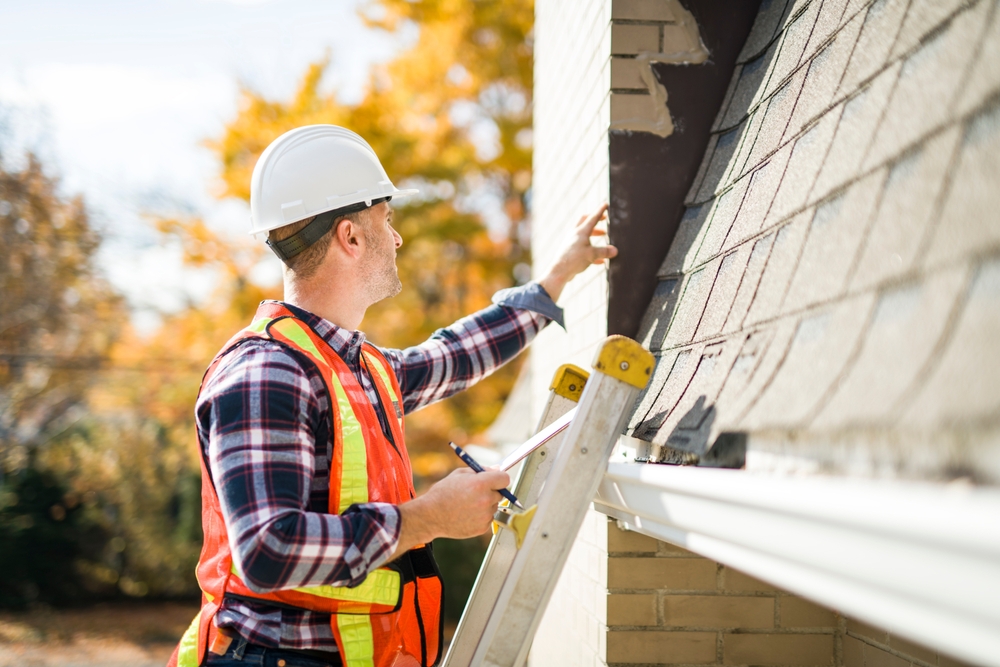
Are you struggling to afford safe and stable housing or looking for help to make much-needed repairs? Housing grants can provide vital financial assistance to renters, homeowners, and those aspiring to become homeowners, especially when savings or credit alone aren’t enough. Housing grants are designed to support people from various backgrounds who face barriers in securing or maintaining adequate housing.
These grants differ from loans in one major way: they do not require repayment. This makes them an attractive option for individuals and families seeking long-term housing solutions or essential upgrades to their existing homes. Whether you’re a senior needing accessibility modifications, a low-income household trying to buy your first home, or someone facing displacement, there’s likely a program that fits your needs.
What Are Housing Grants?
Housing grants are financial awards provided by government agencies, non-profits, or private foundations. They aim to support housing-related expenses.
- Down payment or closing cost assistance
- Rental assistance or eviction prevention
- Emergency home repairs
- Accessibility modifications for people with disabilities
- Energy-efficiency upgrades
- Home rehabilitation or weatherization
The amount and type of support vary based on the funding source and your eligibility. Most grants have specific income requirements, and some are targeted at certain groups like seniors, veterans, or families with children.
Popular Types of Housing Grants
There are multiple programs offering housing grants at federal, state, and local levels. Here are some of the most notable.
- Housing Choice Voucher Program (Section 8): Provides rental assistance for low-income households to afford housing in the private market.
- HOME Investment Partnerships Program: Offers funds to state and local governments to create affordable housing for low-income families, including grants for rehabilitation and homebuyer assistance.
- Emergency Solutions Grants (ESG): Supports people at risk of homelessness or those who are already without housing through rapid rehousing, shelter operations, and prevention programs.
- USDA Single Family Housing Repair Grants: Also known as Section 504 grants, these help very low-income seniors in rural areas repair or improve their homes.
- Weatherization Assistance Program (WAP): Funds energy-efficiency upgrades for low-income households to reduce utility costs and improve health and safety.
How to Qualify for Housing Grants
While each grant program has its own specific eligibility requirements, several common factors typically influence your eligibility.
- Income level: Most grants target low- to moderate-income households. You’ll usually need to provide tax returns or other financial documents to verify your earnings.
- Household size: Larger families may qualify for more substantial support due to greater housing needs.
- Geographic location: Some programs are only available in certain cities or rural areas.
- Special status: Certain grants are reserved for seniors, veterans, people with disabilities, or individuals facing specific hardships such as domestic violence or natural disasters.
Applying often requires submitting documentation through a local housing agency or nonprofit partner. The process may include a home inspection or consultation to determine what types of repairs or assistance are necessary.
Tips for Finding and Applying for Housing Grants
Finding the right grant can take time, especially since programs may be offered at different government levels and vary by location. Here are a few ways to get started.
- Contact your local housing authority: They often have direct connections to available federal or state programs and can guide you through the application process.
- Search online grant portals: Websites such as Grants.gov or HUD’s resource center offer searchable databases of current housing-related grant programs.
- Consult local nonprofits: Many community action agencies, housing counseling services, or faith-based organizations manage or distribute housing grant funds on behalf of government agencies.
- Check deadlines and application periods: Some programs operate on an annual funding cycle and may only accept applications during certain times of the year.
- Gather supporting documents early: These may include proof of income, property title, repair estimates, disability status, or veteran documentation.
Avoiding Scams and Misleading Offers
Unfortunately, the popularity of housing grants has led to an increase in scams targeting vulnerable individuals. Watch out for these red flags.
- You are asked to pay a fee to apply for a grant.
- The offer comes from an unsolicited call or email.
- The language includes “guaranteed approval” without reviewing your information.
- You’re pressured to act urgently without time to verify the program.
Legitimate housing grants will never require an upfront fee. When in doubt, verify the program with a government website or housing counselor.
The Bigger Impact of Housing Grants
Beyond helping individuals afford housing, these grants serve broader goals. They stabilize communities by reducing homelessness, revitalize neighborhoods through home improvement, and increase homeownership opportunities. When used strategically, housing grants can transform lives by providing safety, comfort, and financial breathing room.
Where Hope Meets Brick and Mortar
For many, housing grants are more than financial assistance—they represent a stepping stone toward stability and independence. Whether you’re navigating unexpected hardship or planning your first home purchase, the right program can make the difference between uncertainty and security. Taking the time to explore your options and apply could open the door to a safer, more comfortable living situation. Without the burden of debt.