
According to the CDC, approximately 15.5 million Americans have ADHD and while there are some effective medications and treatment options, many of those sufferers want to avoid medications. However, do natural remedies for ADHD really work? Luckily, there is some important information that can help you answer that question for yourself.
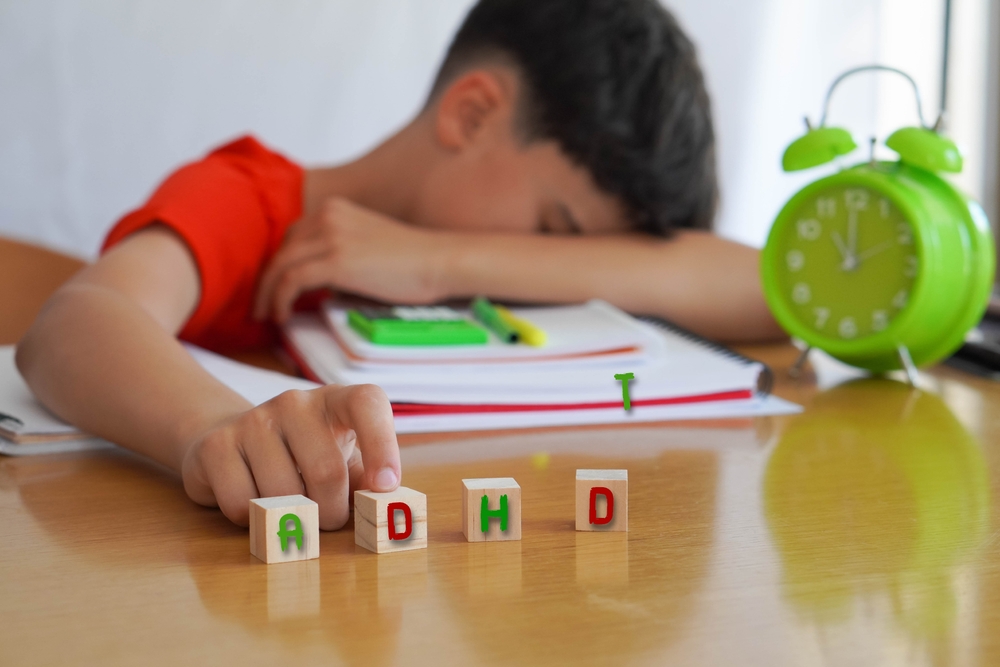
The ADHD Basics
ADHD or attention deficit hyperactivity disorder is a common mental disorder that primarily affects children, but adults can also struggle with the condition. The symptoms of this disorder include being unable to maintain focus, impulsivity and hyperactivity. These symptoms can vary according to the age of the person. In some hyperactivity may take the form of continual movement while in others it may be excessive overexcitement.
Unfortunately, these symptoms can be both chronic and debilitating, impacting many aspects of the person’s life from interpersonal relationships, academic achievements, professional achievements and even daily functioning. This can lead to poor social function and low self esteem, particularly in those who are not appropriately treated.
While ADHD is typically diagnosed in childhood, when the child may be disruptive in the classroom, or has difficulties with schoolwork, adults may be assessed, but the presentation of symptoms can vary. Adults with ADHD may feel sensitivity towards criticism, increased self criticism and self esteem issues due to the challenges of dealing with ADHD symptoms for many years.
The Diagnosis of ADHD
Boys are more commonly diagnosed with ADHD than girls, but this does not mean that they are more likely to have the condition. Rather there are differences in the presentation of symptoms. Boys typically present with hyperactivity and other symptoms that are externalized, while girls tend to have inactivity.
Most children can have difficulties sitting still, fidgeting, acting impulsively and paying attention. However, the ADHD diagnostic criteria means that the symptoms of impulsivity, hyperactivity, inattention etc are noticeably greater than the expected levels for that age group or developmental level. The symptoms can be mistaken for the child being unable to understand instructions or deliberately defiant, which can lead to problems at school, work and home.
Although ADHD may be diagnosed at any age, the condition begins in childhood. A diagnosis can be made based on persistent symptoms being noticeably present and occurring over a six month period. In children under the age of 12, the symptoms must have caused difficulties in more than just one setting. So, the child should have issues at both school and home to receive a diagnosis.
There are three main forms of ADHD.
Predominantly Inattentive
The predominantly inattentive presentation refers to challenges with focusing, organization and staying on task. To diagnose this type of ADHD, there is a list of symptoms which must occur frequently. Individuals age 17 and older must display five of these symptoms, while younger individuals should display six.
- Not paying close attention to detail or making careless mistakes in tasks.
- Problems remaining focused during activities or tasks such as conversations, long reading or during lectures.
- Appearing not to listen. Ex: seeming to be elsewhere when spoken to.
- Failing to follow through on instructions, quickly losing focus after starting tasks.
- Problems organizing tasks, struggling to manage time, having missed deadlines or having disorganized, messy work.
- Avoiding tasks requiring sustained mental effort.
- Often losing things needed for daily life or specific tasks, such as glasses, keys or wallets.
- Easily distracted.
- Forgetting daily tasks, such as running errands, keeping appointments, paying bills or doing chores.
Predominantly Hyperactive/Impulsive
Hyperactivity typically refers to excessive movements such as not sitting still, fidgeting or being talkative, while impulsivity refers to taking action or making decisions without thinking through any consequences. As with predominantly inattentive ADHD, to obtain a diagnosis the individual needs to display five or six of the following symptoms frequently.
- Fidgeting or squirming when seated, continually tapping hands or feet.
- Unable to remain seated.
- Running around or climbing in inappropriate situations.
- Unable to quietly play or complete leisure activities.
- Always seeming to be “on the go”.
- Talkative.
- Blurting out answers to questions before they are finished or finishing other people’s sentences.
- Difficulty waiting their turn.
- Interrupting or intruding on others, such as cutting into activities, games or conversations, using other people’s things without permission or taking over from what others are doing.

Combined
As the name suggests, combined ADHD meets the criteria for both types of ADHD. This can be a little more tricky to diagnose, but typically a primary care or mental health provider will complete a psychiatric evaluation. This involves discussing description of the symptoms, completing questionnaires and scales, providing a family and mental history and other information about environment, upbringing and education.
It is important to appreciate that there are several conditions that can mimic ADHD, such as anxiety, head injuries, learning disorders, thyroid conditions, mood disorders and even substance use. ADHD can also co-exist with other mental health conditions. So, it is crucial that a full psychiatric evaluation is completed, since there are no specific imaging or blood tests that can diagnose ADHD. However, patients may be referred for additional testing, such as psychoeducational or neuropsychological testing.
Natural ADHD Remedies
Now you have a basic understanding of ADHD; it is easier to appreciate the potential benefits of natural remedies that can address specific symptoms. Some popular alternative remedies include the following.
Eliminate Food Preservatives and Colorings
Processed food is a popular option in many households, but the artificial preservatives and colorings lurking in your favorite snacks, drinks and foods could exacerbate the symptoms of ADHD.
Research has noted a potential link between certain food preservatives and colorings with hyperactive behavior, specifically in children. This means that you will need to become familiar with reading food labels when you’re doing your grocery shopping.
Common Preservatives and Colorings to Be Aware Of
- Sodium Benzoate: Commonly found in fruit juices, carbonated beverages and salad dressings.
- FD&C Yellow 5 (tartrazine): Found in foods such as cereal, yogurt, granola bars and pickles.
- FD&C Yellow 6 (sunset yellow): Can be found in cereal, icing, candy, soft drinks and breadcrumbs.
- D&C Yellow 10 (quinoline yellow): Found in smoked haddock, juices and sorbets.
- FD&C Red 40 (allura red): Found in gelatin desserts, ice cream, soft drinks and children’s medications.
Ideally, you should try to minimize all additives in your diet, but eliminating the above preservatives and colorings can be helpful in lessening ADHD symptoms.
Restrict Potential Allergens
A diet restricting possible allergens can help to improve the behavioral symptoms of ADHD. While you can check with an allergy specialist if you suspect food allergies, you can also experiment with avoiding specific foods to see if there is an appreciable difference.
Foods You Can Start to Test
- Milk: Some people are sensitive to the protein casein which is found in milk. If you or your child has a casein sensitivity it could increase the symptoms of ADHD. This can also apply to yogurt, cheese and other dairy products.
- Chocolate: Many people are unaware that chocolate contains caffeine, which alongside the sugars can cause a massive energy spike. This can be problematic for hyperactive types of ADHD.
- Foods Containing Salicylates: Salicylates are naturally occurring chemicals found in plants. Salicylate rich foods include apples, grapes, peaches, plums, tomatoes, oranges and berries.
- Chemical Additives: As we covered above, chemical preservatives and colorings can be detrimental to ADHD sufferers, but there are others that can be a symptom trigger for those with a sensitivity. For example, BHA (butylated hydroxyanisole) and BHT (butylated hydroxytoluene) are typically used in processed food items and oils, such as potato chips, butter, instant mashed potatoes, dry cake mixes, cereal and chewing gum.
EEG Biofeedback
EEG or electroencephalographic biofeedback is a form of neurotherapy to measure brainwaves. In a 2011 study, researchers proposed that EEG training could provide a potential treatment for ADHD.
During a typical session, a child may be asked to play a special video game to encourage them to concentrate on a specific task, such as keeping the plane flying. When they start to become distracted, the plane may start to dive or the screen goes dark. This helps the child to learn new focusing techniques over time. Eventually, they can start to identify and alter behavior, increasing focus.
Yoga or Tai Chi
There have been a number of small studies that suggest yoga as a complementary ADHD therapy. In a 2013 study, the research team reported significant improvements in anxiety, hyperactivity and social problems in the male participants who practiced yoga frequently along with their regular, daily medication.
Similar effects could be enjoyed with tai chi, since both practices have mind body exercises, which could reduce ADHD symptoms.
Get Outdoors
Spending time outdoors and getting some fresh air can give anyone a natural boost, but it could be particularly beneficial for those with ADHD. There is evidence that spending just 20 minutes outdoors, particularly in greenery and nature can improve concentration.
In a 2011 study, the research team claimed that regular exposure to green spaces and outdoors provides a safe, natural treatment for those with ADHD.
Caffeine
We’ve touched on the effects of caffeine sensitivity exacerbating ADHD symptoms, but careful use of caffeine could be helpful for those without a sensitivity. Caffeine can help to improve concentration and memory, but you need to be careful about the dosage. Too much caffeine could actually increase ADHD symptoms.
You can find caffeine in coffee, tea, soda and other products including over the counter pain and cold medications.
Essential Oils
Essential oils could offer help to manage ADHD symptoms as the scent might stimulate the limbic system. This is part of the brain involved in emotion, motivation, memory and behavior. There is anecdotal evidence that some essential oils could help focus and sleep, but further research is needed. However, if you want to experiment a little with essential oils, you could try a few to start.
- Lavender and Chamomile: These oils are associated with calming benefits and anxiety reducing effects.
- Peppermint: Peppermint oil has stimulating effects and could potentially improve memory and task performance.
- Rosemary: Rosemary is also stimulating and could potentially enhance short term memory and focus.
Learning New Skills
Experts agree that building daily habits or creating new systems to establish routines, such as getting ready to leave for school, can make it easier for children to manage the ADHD traits associated with organizational challenges.
Learning new skills built around routines can also strengthen confidence and their abilities to know when adjustments or accommodations are needed. Adults can also benefit from taking a structured approach to everyday life and using tech tools such as apps to assist with managing a busy schedule can be helpful.
Therapy
For more severe cases of ADHD, you could consider behavioral therapy. According to the American Academy of Pediatrics, behavioral therapy can be considered a first step to treat ADHD in young children.
This type of therapy, which is also called behavioral modification, works on resolving specific issues or problematic behavior, offering solutions to help reduce or prevent them. This can help provide a roadmap to recognizing triggers or the onset of symptoms and how to navigate to resolve the issue. This can involve setting rules and goals, which can provide structure and guidelines to empower the ADHD sufferer. Behavioral therapy can work in concert with medication, but it may be beneficial as a natural treatment.
Cognitive Behavioral Therapy or CBT can be helpful for adults with ADHD. This can be an effective form of therapy that helps to make the desired changes to thought and behavior patterns that are contributing to the ADHD related issues and struggles.
Therapy can also be beneficial for parents of ADHD children. Parental therapy can offer the tools needed to help children with ADHD. This includes equipping parents with strategies and techniques to work around behavioral problems to help the long term relationship between parent and child.
Supplements
Supplements have the potential to help improve ADHD symptoms. Zinc, Vitamin B6, Magnesium, L-carnitine, ginkgo, and ginseng can help to calm hyperactivity and improve anxiety.
However, it is a good idea to supplement with the oversight of your doctor or healthcare professional. Children can be particularly vulnerable to issues with supplementation, so you should discuss this type of alternative therapy with your pediatrician before beginning.
Your healthcare professional can conduct blood tests to determine current nutrient levels before beginning supplementation.
| Supplement/Herbal Remedy | Potential Benefits | Scientific Support | Considerations |
|---|---|---|---|
| Omega-3 Fatty Acids (Fish oil, flaxseed) | Improves focus, reduces impulsivity | Moderate evidence, some studies show benefits for ADHD symptoms | Effects may take weeks; high doses can cause digestive issues |
| Zinc | Supports dopamine regulation and cognitive function | Some studies show children with ADHD may have lower levels | Overuse can lead to nausea and immune suppression |
| Iron | Essential for dopamine production and attention | Deficiency linked to ADHD symptoms; supplementation may help if deficient | Too much iron can be toxic; requires blood test confirmation |
| Magnesium | Helps with relaxation, reduces hyperactivity and impulsivity | Some evidence suggests benefits for children with ADHD | High doses may cause diarrhea; best when combined with other treatments |
| Ginkgo Biloba | May enhance memory, focus, and cognitive function | Limited but promising research for ADHD | Possible interactions with blood thinners and other medications |
| Ginseng | Can improve focus, energy levels, and impulse control | Some studies support its benefits for ADHD symptoms | May cause insomnia or increased heart rate in some individuals |
| Bacopa Monnieri | Enhances memory, learning, and attention | Preliminary studies show promise for ADHD | Effects take time; may cause digestive issues |
| Rhodiola Rosea | Reduces fatigue and improves mental performance | Limited but positive research on cognitive function | Can interact with medications for blood pressure and mood disorders |
| L-Theanine (Found in green tea) | Promotes relaxation and reduces anxiety while maintaining focus | Some evidence supports its calming effect for ADHD | Works best in combination with caffeine; may cause drowsiness |
| Vitamin B6 | Supports neurotransmitter function, including dopamine and serotonin | Some evidence suggests it may help reduce ADHD symptoms | Excessive intake can lead to nerve issues; best taken with magnesium |
Should You Use Medication?
While you may want to stick to natural treatments, there are some ADHD drugs that can help improve the symptoms. These types of medications enhance and balance the neurotransmitters, which carry chemical signals between the neurons in the brain. There are actually several types of ADHD medication and some may be more preferable.
- Stimulants: This type of medication, such as Adderall or amphetamine, can help with focusing and ignoring distractions.
- Nonstimulants: Examples of this medication are atomoxetine, bupropion and Qelbree, which can be used in cases where you don’t like the idea of stimulants or their side effects. They can also be used if there are underlying medical conditions that prevent the use of stimulant drugs.
ADHD medications can help to improve focus and concentration, but there are some potential side effects that you need to consider.
- Sleep issues
- Loss of appetite
- Mood swings
- Heart problems
- Suicidal thoughts or actions
These side effects can be potentially very serious, so the ADHD sufferer needs to be carefully monitored by a doctor. In some cases, there may be some trial and error needed to determine the medication that offers the best results while minimizing side effects.

Are Natural Remedies Helpful in the Management of ADHD?
Finding the right approach to ease ADHD symptoms can take both time and patience. There are numerous options to consider and while some people may find some natural remedies are effective, they may not work for someone else. In many cases, a combination of treatments may be the best solution.
Not everyone likes the idea of medication, so it is important to find a treatment plan that works best for your or your child’s needs. Establishing a healthy diet with minimal additives, a regular exercise routine and spending time in nature can help to manage the symptoms. However, you may also want to try incorporating other natural remedies such as yoga or essential oils to boost the beneficial effects.
However, it is a good idea to consult an ADHD specialist to discuss the options and create a tailored treatment plan. There are some mixed findings about the efficacy and safety of ADHD home remedies, so get some insight from an experienced professional. Remember that the FDA does not regulate herbal medicines or nutritional supplements, and you need to check your own tolerances. For example, you could have an allergy to specific essential oils, making them unsafe for you. You need to ensure that the risk benefit balance of any natural ADHD remedies are carefully monitored by your healthcare provider, whether they are a standalone treatment or used in combination with traditional ADHD treatments.
You can also find support with ADHD peer groups that can provide a safe space to share issues and frustrations, and discuss the efficacy of natural treatments.