
Kidney cancer isn’t something most people think about, until it happens to them or a loved one. But understanding what increases your risk can be a powerful tool in protecting your health. Every year, thousands of people are diagnosed with kidney cancer, and while some demographic factors are out of our control, many others are linked to lifestyle and health choices.
Understanding Kidney Cancer
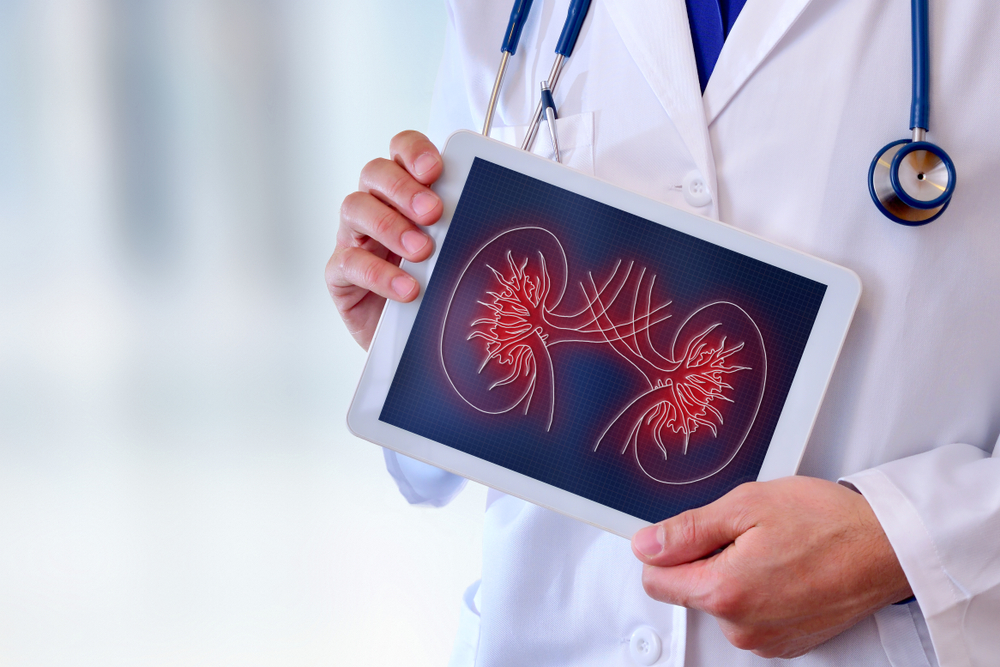
Your kidneys might be small, but they’re absolute powerhouses. These bean-shaped organs, tucked in your lower back, do way more than just filter waste from your blood. They help keep your blood pressure in check, balance fluids, and even produce vital hormones. But, like any other organ, they’re not invincible, cancer can still find its way in.
What is Kidney Cancer?
Kidney cancer happens when certain cells inside the kidney start growing out of control, forming a tumor. The most common type in adults is renal cell carcinoma (RCC), which makes up around 85% of cases. Typically, RCC starts as a single tumor in one kidney, though sometimes it can affect both. There are a few different subtypes, but the most frequently diagnosed is clear cell renal carcinoma.
Common Types of Kidney Cancer
| Risk Factor | Urothelial Carcinoma | Wilms Tumor | Renal Sarcoma |
|---|---|---|---|
| Type of Cancer | A type of cancer that primarily affects the bladder, but can also affect the kidney. | A rare kidney cancer mostly affecting children. | A rare cancer of the kidney’s connective tissues. |
| Common Age Group | More common in adults, especially those over 60. | Primarily affects children, usually under 5 years old. | Typically seen in adults between 40 and 60. |
| Gender Prevalence | More common in men. | More common in children, with a slightly higher incidence in boys. | More common in men. |
| Genetic Factors | Smoking and exposure to certain chemicals can increase the risk. | Genetic mutations (e.g., WT1 gene mutation) are often involved. | Often linked to inherited conditions like Li-Fraumeni syndrome. |
| Symptoms | Blood in urine, frequent urination, pain during urination, lower back pain. | Abdominal swelling, pain, blood in the urine. | Pain or a mass in the abdomen, blood in the urine, weight loss. |
| Prognosis | Depends on stage; early detection improves prognosis. | Good prognosis if treated early, but can be aggressive if late-stage. | Prognosis depends on the size and spread of the tumor. |
| Treatment | Surgery, chemotherapy, immunotherapy, and radiation. | Surgery, chemotherapy, and radiation. | Surgery, chemotherapy, and sometimes radiation therapy. |
| Common Risk Factors | Smoking, chemical exposure, chronic kidney disease, older age. | Family history of Wilms tumor, certain genetic conditions. | Family history of genetic conditions, exposure to carcinogens. |
| Link to Other Diseases | Associated with other urological cancers like bladder cancer. | May be associated with other congenital conditions like aniridia. | Associated with conditions like Von Hippel-Lindau disease. |
Doctors classify kidney cancer into four stages, depending on the tumor’s size and whether it has spread. In the early stages, the cancer is confined to the kidney. More advanced stages may involve nearby lymph nodes or distant organs.
What Causes Kidney Cancer?
There’s no single cause of kidney cancer, but certain risk factors can increase your chances of developing it.
- Smoking: Tobacco use is a major risk factor.
- Obesity: Excess weight can contribute to kidney cancer development.
- High blood pressure: Hypertension has been linked to kidney cancer.
- Family history: If close relatives have had kidney cancer, your risk might be higher.
- Chronic kidney disease: Long-term kidney problems can increase the likelihood of cancer.
Symptoms and Diagnosis
Kidney cancer is tricky because it often develops without noticeable symptoms in the early stages. Many cases are actually found by accident during scans for unrelated health issues. But when symptoms do appear, here are some key ones to watch for.
- Blood in your urine (hematuria): This can be a sign of several conditions, including kidney cancer.
- Lower back pain: Especially if it’s persistent and on one side.
- A lump or mass in the abdomen: Though not always obvious, some people can feel a growth.
- Unexplained weight loss: Losing weight without trying can sometimes be a red flag.
- Fatigue and weakness: Feeling unusually drained for no clear reason.
If kidney cancer is suspected, doctors usually confirm it through imaging tests like CT scans or MRIs. In some cases, a biopsy may be needed to examine the cells more closely. Catching it early can make a big difference in treatment options and overall outlook.
Lifestyle-Related Risk Factors
The choices we make every day like what we eat, how we move, and even the air we breathe can impact our risk of developing kidney cancer. While some factors are beyond our control, lifestyle-related risks are often things we can adjust. Let’s take a closer look at some key habits that could increase the likelihood of developing this disease.
Smoking: A Major Culprit
We all know smoking is bad for our lungs, but did you know it also harms your kidneys? Research shows that smokers are significantly more likely to develop kidney cancer compared to non-smokers. The chemicals in cigarettes don’t just stay in your lungs—they enter your bloodstream, travel through your kidneys, and can cause cellular damage over time. This damage increases the risk of cancerous growths. However, quitting smoking, even later in life, can lower your risk.
Obesity and Poor Diet: A Dangerous Combination
Being overweight doesn’t just affect your cardiovascular health, it affects nearly every system in the body, including the kidneys. Obesity is linked to kidney cancer in several ways. First, fat tissue produces hormones and inflammatory substances that may encourage cancer growth. Second, obesity is often tied to other conditions like high blood pressure and diabetes, which can put further strain on the kidneys.
A poor diet can also play a role. Diets high in processed foods, excessive red meat, and sugar-sweetened beverages may contribute to kidney damage over time. On the flip side, a balanced diet rich in fruits, vegetables, whole grains, and lean proteins can help maintain kidney health and reduce cancer risk.
High Blood Pressure: The Silent Threat
Hypertension, or high blood pressure, is sometimes called the “silent killer’ because it often has no noticeable symptoms yet can wreak havoc on the body. The kidneys filter waste from our blood, and high blood pressure can damage the delicate vessels in this filtration system, leading to kidney disease, and potentially cancer.
People with untreated hypertension are at a significantly higher risk of developing kidney cancer. The combination of increased blood pressure and kidney stress creates an environment where cancer cells can thrive.

Exposure to Harmful Chemicals
Our environment plays a bigger role in our health than we might realize. Certain occupations expose workers to harmful chemicals linked to kidney cancer, such as asbestos, cadmium, and some herbicides. People who work in industries like metalwork, farming, or painting may face higher risks due to prolonged exposure to these substances.
Even outside of work, exposure to toxins from pesticides, contaminated water, or industrial pollutants could increase the risk of kidney cancer. While it’s impossible to eliminate all environmental risks, taking precautions like using protective gear at work or being mindful of chemical exposure at home can help to minimize the dangers.
Medical and Genetic Risk Factors
While lifestyle choices play a big role in kidney cancer risk, some factors are outside of our control. Genetics, underlying health conditions, and certain medications can all contribute to the likelihood of developing this disease. Although these things may not be directly controllable, there are preventative measures that you can take. In this way, understanding your potential risks is crucial.
Family History and Genetics: An Inherited Risk
If a close family member, like a parent or sibling, has had kidney cancer, then your risk may be higher. While most kidney cancer cases aren’t inherited, a family history can suggest a possible genetic link. Certain inherited syndromes like von Hippel-Lindau disease or hereditary papillary renal cell carcinoma, can dramatically increase kidney cancer risk.
Even if you don’t have a known genetic disorder, scientists believe that some people may inherit subtle genetic variations that make them more susceptible to cancer. If kidney cancer runs in your family, discussing screening options with your doctor might be a helpful first step.
Chronic Kidney Disease (CKD): A Major Risk Factor
Chronic kidney disease is a condition where the kidneys lose their ability to function properly over time. People with CKD, especially if they are on long-term dialysis, have a much higher risk of developing kidney cancer. This is because ongoing kidney damage can lead to abnormal cell growth, which increases the chance of malignancies forming.
CKD is often linked to other risk factors like high blood pressure, diabetes and obesity, making it a complex issue. Managing these underlying conditions, following a kidney-friendly diet and staying hydrated can help to slow the progression of CKD and reduce cancer risk.
Previous Cancer Treatments: A Double-Edged Sword
Ironically, some treatments designed to fight cancer can actually increase the risk of developing another type of cancer later on. People who have undergone radiation therapy, especially to their abdomen, may have an elevated risk of kidney cancer.
Certain chemotherapy drugs, particularly those used to treat cervical or testicular cancer, have also been linked to kidney cancer in some cases. While these treatments are important, and often lifesaving, it’s important to be aware of these risks. By understanding the potential long-term effects of these treatments, cancer survivors can ensure they get regular checkups to monitor kidney health.
Medications That May Increase Risk
Not all medications are harmful to the kidneys, but some, especially when taken excessively, can contribute to kidney damage, and therefore the risk of cancer. Long-term use of nonsteroidal anti-inflammatory drugs (NSAIDs) like ibuprofen and naproxen has been linked to kidney problems.
While occasional use of NSAIDs is generally safe, relying on them regularly for pain management without medical supervision could have consequences on your kidney health. If you frequently take these medications or are concerned, it’s worth discussing alternative options with your doctor to protect your kidney health.
Age, Gender, and Ethnicity: How Demographics Influence Kidney Cancer Risk
Some risk factors are tied to your personal characteristics, things like age, biological sex, and ethnic background. While lifestyle choices and medical conditions play a huge role in kidney cancer risk, demographic factors can also influence who is more likely to develop the disease.

Age: Why Risk Increases Over Time
Like many cancers, kidney cancer becomes more common with age. The majority of cases are diagnosed in people over 50, with the highest risk occurring in those over the age of 60. This pattern makes sense when you consider how cancer develops: over time, cells accumulate damage from genetic mutations, environmental exposures and the body’s natural ageing process.
That doesn’t mean that younger adults are completely without risk, but the odds are significantly lower. If you’re under 40 and otherwise healthy, kidney cancer is unlikely. But if you have multiple risk factors, it’s worth paying attention to your kidney health as you get older.
Gender Differences: Why Men Are at Higher Risk
Kidney cancer is about twice as common in men as it is in women. Researchers believe this could be due to a mix of biological, hormonal, and lifestyle factors. Historically, men have been more likely to smoke and work in environments with dangerous chemical exposures. These are both known risk factors for kidney cancer.
Hormones may also play a role in the development of kidney cancer. Estrogen, the primary female hormone, has been suggested to have some protective effects against kidney cancer, though the mechanism isn’t fully understood. This could explain why postmenopausal women (who have lower estrogen levels) see a slight increase in kidney cancer risk compared to younger women.
Ethnicity: How Race and Geography Play a Role
While kidney cancer can affect anyone, some ethnic groups have higher or lower risks. In the United States, Black and Native American populations have slightly higher kidney cancer rates than white individuals, while Asian and Hispanic populations tend to have lower rates. The reasons behind these differences aren’t entirely clear, but they likely involve a mix of genetic factors, environmental exposures, and healthcare access disparities.
For example, Black Americans have higher rates of high blood pressure, which is a known risk factor for kidney cancer. Limited access to early detection and healthcare services may also contribute to differences in diagnosis and outcomes among different racial groups.
Geography can also have an impact with some regions of the world having significantly higher kidney cancer rates than others. This could be due to environmental exposures, diet or differences in medical screening, If you live in an area with high pollution or limited access to healthcare, it’s worth being extra mindful of your kidney health.
Rare but Notable Risk Factors
While most kidney cancer cases are linked to common lifestyle and medical factors, there are a few lesser-known risks that can significantly increase the odds of developing the disease. These aren’t as widespread, but they’re worth knowing about, especially if they apply to you.
Genetic Syndromes: The Inherited Risks
In rare cases, kidney cancer runs in families due to inherited genetic syndromes. Some of the most well-known conditions linked to kidney cancer include the following.
- Von Hippel-Lindau (VHL) Disease: A rare genetic disorder that causes tumors and cysts to form in multiple organs, including the kidneys. People with VHL have a very high risk of developing kidney cancer.
- Birt-Hogg-Dubé Syndrome: A condition that increases the risk of kidney cancer, lung cysts, and non-cancerous skin tumors.
- Hereditary Leiomyomatosis and Renal Cell Cancer (HLRCC): A syndrome that causes smooth muscle tumors (leiomyomas) and an increased risk of aggressive kidney cancer.
These syndromes are uncommon, but if you have a family history of multiple relatives with kidney cancer, especially at a young age, it might be worth discussing genetic testing with a doctor.
Kidney Transplants and Immunosuppressants
People who have received a kidney transplant face a higher risk of kidney cancer, though this isn’t due to the transplant itself. The main issue comes from the long-term use of immunosuppressant drugs which are necessary to prevent organ rejection, but also weaken the immune system.
A weakened immune system means that the body is less able to detect and destroy abnormal cells before they turn cancerous. Kidney transplant recipients should be monitored closely for signs of kidney cancer, and have regular checkups to ensure that any issues are caught early.
Long-Term Dialysis
Patients who have been receiving dialysis for many years due to CKD are at a higher risk of kidney cancer developing. This may be due to the prolonged damage to the kidneys and cellular stress that dialysis causes.
As dialysis patients are already under medical supervision, doctors often keep a close eye on their kidney health. If you, or a loved one is on dialysis, staying informed about the potential risks and undergoing regular screenings is a good preventative measure.
Can You Reduce Your Risk?
While some kidney cancer risk factors (like age, genetics, and gender) are out of your hands, there are still plenty of things you can do to lower your chances of developing the disease. Making smart lifestyle choices, managing existing health conditions and being aware of environmental risks can go a long way in protecting your kidneys.
Quit Smoking
If you smoke, kicking the habit is one of the best things you can do for your overall health, and that includes your kidneys. Smoking introduces harmful chemicals into your bloodstream, increasing the risk of cellular damage that can lead to cancer. The sooner you quit, the better. Studies show that former smokers gradually lower their kidney cancer risk over time, so it’s never too late to stop.

Maintain a Healthy Weight and Stay Active
Obesity is a well-established risk factor for kidney cancer, but the good news is that even modest weight loss can have a positive impact. Eating a balanced diet rich in whole foods (fruits, vegetables, lean proteins and whole grains) can help maintain a healthy weight and reduce inflammation in the body.
Regular exercise is another key factor. This can just be 30 minutes of moderate activity, on as many days of the week as you can, and can include brisk walking, swimming or cycling for example. This will support your overall health and keep your kidneys functioning properly.
Keep Your Blood Pressure in Check
High blood pressure puts strain on your kidneys and increases the risk of kidney cancer. If you have hypertension, it’s important to manage it through a combination of diet, exercise, stress reduction, and medication if necessary. Reducing salt intake, staying hydrated, and incorporating potassium-rich foods (like bananas and spinach) into your diet can help regulate blood pressure naturally.
Regular Checkups and Early Detection
If you have multiple risk factors, such as a family history of kidney cancer, high blood pressure, or CKD, regular checkups with your doctor are essential. While there’s no universal screening for kidney cancer, imaging tests can help to detect issues early, especially for those at higher risk. The earlier that kidney cancer is caught, the better the chances of successful treatment.
Don’t Ignore the Warning Signs of Kidney Cancer
Your risk of developing kidney cancer doesn’t just come down to luck, it’s a combination of genetics, lifestyle choices, and environmental factors. While you can’t change things like your age or family history, you do have control over habits that directly affect your health. Quitting smoking, maintaining a healthy weight, managing high blood pressure, and reducing exposure to harmful chemicals can all help lower your risk.
The key takeaway is this: awareness leads to action. By understanding what increases your chances of developing kidney cancer, you can take steps to protect yourself. Whether it’s making healthier choices, scheduling regular checkups or simply paying more attention to your body, every effort counts. Your kidneys work hard for you, so it’s worth taking care of them in return.