
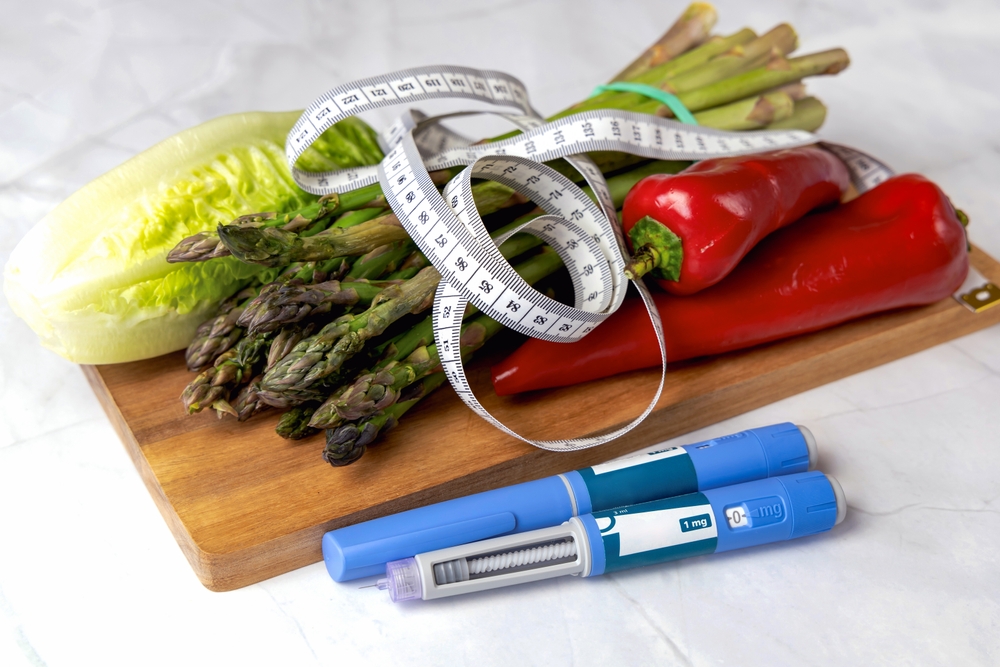
Weight loss injections are offering new hope for those struggling with obesity and stubborn weight gain. Medications like semaglutide (Wegovy, Ozempic) and tirzepatide (Mounjaro, Zepbound) have shown impressive results, helping people lose a significant percentage of their body weight. But while these injections can be a game-changer, they aren’t a one-and-done solution.
Sustainable weight loss has always been about more than just cutting calories, it’s about long-term lifestyle changes. Weight loss injections can help to control appetite, regulate bloody sugar and improve metabolic function. But they work best when combined with healthy eating, regular exercise and behavioral shifts in a holistic weight loss plan.
Understanding Weight Loss Injections
In recent years, weight loss injections have gained a lot of traction as a tool for people struggling to shed extra pounds. Unlike old-school diet pills or questionable fad diets, these injections are backed by science and prescribed by healthcare professionals. But what exactly are they, and how do they fit into the broad picture of weight management?
At their core, weight loss injections are medications designed to help people lose weight by influencing appetite, metabolism, or fat processing. They’re typically recommended for individuals who have a higher body mass index (BMI) or specific health conditions related to obesity, such as type 2 diabetes. These injections aren’t just about dropping a few vanity pounds, they’re for people who need real medical support to get their weight under control.
Types of Weight Loss Injections
There isn’t just one type of weight loss injection. Different medications work in different ways, so it’s important to choose the right one for you. The choice depends on factors like individual health, lifestyle and goals. The rise of GLP-1 receptor agonists, originally developed for diabetes management, has drawn significant media attention and led to a sharp increase in prescriptions for weight loss.
Most Well-Known Injections
| Feature | Semaglutide | Tirzepatide | Liraglutide |
|---|---|---|---|
| Brand Names | Wegovy, Ozempic (for diabetes) | Mounjaro | Saxenda (for weight loss), Victoza (for diabetes) |
| Active Ingredient | Semaglutide | Tirzepatide | Liraglutide |
| Mechanism of Action | GLP-1 receptor agonist (increases insulin secretion and reduces appetite) | Dual agonist of GLP-1 and GIP receptors (increases insulin secretion, reduces appetite) | GLP-1 receptor agonist (increases insulin secretion and reduces appetite) |
| FDA Approval for Weight Loss | Yes, as Wegovy | Yes, as Mounjaro (for diabetes; weight loss use off-label) | Yes, as Saxenda |
| Weight Loss Potential | 15-20% of body weight | 20-25% of body weight (studies show higher potential) | 5-10% of body weight |
| Administration | Weekly injection | Weekly injection | Daily injection |
| Common Side Effects | Nausea, diarrhea, constipation, fatigue, abdominal pain | Nausea, vomiting, diarrhea, constipation, abdominal pain | Nausea, diarrhea, constipation, fatigue, abdominal pain |
| Effectiveness | Highly effective, significant weight loss in clinical trials | Very effective, sometimes more weight loss than semaglutide | Effective, but generally less weight loss compared to semaglutide and tirzepatide |
| Suitability for Use | Suitable for adults with obesity or overweight with at least one weight-related condition | Suitable for adults with obesity or overweight with at least one weight-related condition | Suitable for adults with obesity or overweight with at least one weight-related condition |
| Price Range | High (varies by insurance coverage) | High (still relatively new, may not be covered widely) | High (varies by insurance coverage) |
These medications slow digestion, stabilize blood sugar, and decrease appetite, making it easier to consume fewer calories. Many users experience significant weight loss, sometimes 15-20% of their body weight. However, they come with a hefty price tag, often exceeding $1,000 per month, and can cause a range of side effects.
How Do These Injections Actually Work?
Most effective weight loss injections focus on appetite regulation rather than simply speeding up metabolism. GLP-1 medications, for example, help people feel fuller for longer and to naturally eat less. They also affect insulin sensitivity, which can help prevent blood sugar crashes and cravings.
Other injections, like lipotropic ones, claim to enhance the body’s ability to burn fat. However, evidence supporting the efficacy of these is less clear. And some, like HCG for example, rely on unhealthy and unsustainable extreme calorie restriction.
While weight loss injections can be powerful, they don’t work in isolation. They’re meant to be combined with lifestyle changes like healthy eating and exercise, in order to deliver real, lasting results.
Who Can Benefit from Weight Loss Injections?
Weight loss injections aren’t for everyone, they’re generally recommended for people with a BMI of 30 or higher or with weight-related health conditions like diabetes or high blood pressure. But even for those who qualify, success still depends on adjusting eating patterns, physical activity and overall lifestyle.
The Role of Weight Loss Injections in a Holistic Plan
So how do you go about fitting injections into a broader weight loss strategy? A good way to think of them is as a piece of the puzzle – helpful, but not the whole picture. Many people make the mistake of seeing these injections as a magic fix, but we know that they work best when combined with smart lifestyle changes. Doctors typically prescribe them to people who have already tried to lose weight through diet and exercise, and need extra help to get results.
Nutrition and Diet: Essential Components of Weight Loss
Taking weight loss injections can make your journey easier, but they don’t replace the need for good nutrition. These medications help to control appetite, but what you eat still plays a massive role in how much weight you lose, and, importantly, whether you can keep it off.
Why Diet Still Matters
Weight loss ultimately comes down to calories in versus calories out. However, this doesn’t mean that all calories are created equal. If someone is eating mostly processed, low-nutrient foods, they might still lose weight while on injections, but they won’t feel great or support their long-term health.
The best approach is to focus on foods that provide sustained energy, muscle preservation, and overall well-being.
- Protein for muscle maintenance: Since weight loss injections suppress appetite, it’s easy to accidentally eat too little protein, which can lead to muscle loss. Lean meats, fish, eggs, tofu, and legumes help maintain muscle mass while losing fat.
- Fiber for fullness: Whole grains, vegetables, fruits, and legumes keep digestion steady and help prevent hunger spikes.
- Healthy fats for satiety: Avocados, nuts, olive oil, and fatty fish provide essential nutrients while keeping meals satisfying.
- Hydration for digestion and metabolism: Drinking enough water supports digestion and helps prevent mistaking thirst for hunger.

Best Diets for Weight Loss with Injections
There’s no single “best” diet, but certain eating patterns work particularly well when combined with weight loss injections.
- High-protein, low-carb approach: Many people using GLP-1 medications naturally eat less due to their reduced appetite, so prioritizing protein is important. Pairing protein with non-starchy vegetables and healthy fats can help maintain stable blood sugar levels and prevent muscle loss.
- Mediterranean diet: This diet focuses on whole foods, lean proteins, healthy fats and fiber. This makes it ideal for sustainable weight loss and heart health.
- Intermittent Fasting: Some people on weight loss injections find intermittent fasting easier to follow as they are less hungry. Eating within a specific window can help with portion control and metabolic regulation.
- Balanced, portion-controlled meals: Simply sticking to whole, nutrient-dense foods in reasonable portions can be enough to support weight loss without the need for a strict or restrictive diet plan.
What to Avoid
- Ultra-processed foods: These can lead to blood sugar crashes, increased cravings and poor nutrition, making weight loss harder in the long run.
- Excess sugar: Sugary drinks, desserts, and processed snacks can counteract the appetite control benefits of weight loss injections.
- Skipping meals: While these medications reduce hunger, skipping meals too often can lead to low energy, muscle loss and poor nutrient intake.
Emotional and Psychological Aspects of Eating
Food isn’t just about nutrition, it’s also tied to emotions, habits, and social situations. Some people eat when they’re stressed, bored, or celebrating, and weight loss injections don’t automatically fix those behaviors.
Mindful eating can be a game-changer. Simple habits like eating slowly, listening to hunger cues, and avoiding distractions during meals can help people build a healthier relationship with food. For those who struggle with emotional eating, therapy or working with a dietitian can be valuable for long-term success.
Exercise and Physical Activity: Supporting Lasting Results
Exercise is a crucial piece of the weight loss puzzle, whether or not someone is using weight loss injections. While these medications help with appetite control, movement is what builds strength, preserves muscle, boosts metabolism and enhances overall wellbeing.
Why Exercise Matters, Even with Weight Loss Medications
Many people assume that if they’re eating less due to an injection, they don’t need to work out. But skipping exercise can lead to a few things.
- Muscle loss: Losing weight too quickly without exercise can cause muscle breakdown, slowing metabolism and making it harder to keep the weight off.
- Lower energy levels: Regular movement boosts circulation, reduces fatigue, and improves mood.
- Weaker bones and joints: Weight-bearing exercises help strengthen bones and prevent conditions like osteoporosis, which can be a concern for people losing weight.
Best Types of Exercise for People on Weight Loss Injections
A well-rounded fitness routine should include a mix of strength training, cardio and work on your flexibility.
Strength Training: Muscle Preservation and Metabolism Boosting
Lifting weights or using bodyweight exercises (like push-ups and squats) is key for maintaining muscle while losing fat. Since weight loss injections reduce overall calorie intake, prioritizing strength training helps prevent muscle loss and keeps metabolism steady.
Best Options
- Weightlifting (machines or free weights)
- Bodyweight exercises (push-ups, squats, lunges)
- Resistance bands for at-home workouts
Cardio: Heart Health and Fat Loss
Cardio workouts help burn calories, improve heart health, and boost endurance. Even low-impact activities can be effective, especially for those who are new to exercise.
Best Options
- Walking (especially after meals for blood sugar control)
- Cycling (stationary or outdoor)
- Swimming (easy on the joints while still effective)
- HIIT (short bursts of intense exercise for efficiency)
Flexibility and Mobility Work: Preventing Injuries
Stretching, yoga, and mobility work improve posture, reduce stiffness, and help prevent injuries. As people lose weight, their bodies adjust to carrying less mass, making flexibility training even more important.
Best Options
- Yoga (helps with stress and flexibility)
- Pilates (core strength and stability)
- Stretching routines (5-10 minutes a day can make a difference)
How to Build a Sustainable Workout Routine
The key to sticking with exercise is making it a habit rather than a chore. A few strategies include the following.
- Start small: Just 10 – 15 minutes of movement each day can build momentum
- Set realistic goals: Instead of focusing on weight loss alone, set other goals like improving strength, endurance, or hitting a step count.
- Make it convenient: Home workouts, short gym sessions, or incorporating movement into daily life (take the stairs, rather than the lift!) all add up.
- Find a support system: Working out with a friend, joining classes or tracking progress can improve accountability and make working out more enjoyable!
Long-Term Benefits of Exercise Beyond Weight Loss
Beyond weight management, regular physical activity improves mood, sleep, heart health and overall longevity. Even after reaching your weight loss goals, staying active is essential for keeping the weight off and feeling strong, energized and healthy.
Potential Risks and Side Effects of Weight Loss Injections
Weight loss injections can be highly effective, but like any medication, they come with risks and potential side effects. While many people tolerate them well, others experience discomfort or complications that need to be managed carefully.
Common Side Effects
Most people using weight loss injections experience at least some mild side effects, especially in the beginning. These usually stem from how the medication slows digestion and affects appetite.
- Nausea and vomiting: One of the most frequent complaints, particularly when first starting the medication or increasing the dose. Eating smaller, protein-rich meals can help.
- Diarrhea or constipation: The digestive system slows down, which can lead to irregular bowel movements. Staying hydrated and eating fiber-rich foods can reduce this issue.
- Fatigue: Some people feel more tired than usual, especially in the early weeks as their body adjusts to lower calorie intake.
- Dizziness or lightheadedness: This can happen if blood sugar levels drop too quickly, especially in people prone to low blood sugar.
For most, these symptoms improve over time as their body adapts. However, if side effects are severe or persistent, adjusting the dose or switching medications may be necessary.

More Serious Risks
Although less common, some individuals experience more serious complications from weight loss injections.
- Gallbladder issues: Rapid weight loss increases the risk of gallstones, which can cause pain and require medical treatment.
- Pancreatitis: Some GLP-1 medications have been linked to inflammation of the pancreas, which can cause severe abdominal pain and requires immediate medical attention.
- Thyroid concerns: Some studies suggest a potential link between these medications and thyroid tumors in animal studies, though human data is still limited.
- Muscle loss: Because these medications suppress appetite, some users unintentionally eat too little, leading to muscle loss rather than just fat loss. Strength training and proper protein intake can help mitigate this risk.
Who Should Avoid Weight Loss Injections?
Not everyone is a good candidate for these medications. People with a history of pancreatitis, severe gastrointestinal disorders, or certain thyroid conditions may be advised against using them. Additionally, pregnant or breastfeeding individuals should avoid weight loss injections due to potential risks to the baby.
Ultimately, these medications should always be used under the guidance of a healthcare provider, who can monitor for complications and adjust treatment as needed.
Psychological and Behavioral Aspects of Weight Loss
Weight loss isn’t just about food and exercise, it’s also deeply tied to psychology and behavior. Many people struggle with emotional eating, unhealthy habits, and self-sabotage, which can make long term success challenging. While weight-loss injections can help with physical hunger, they don’t automatically fix the mental emotional aspects of eating.
Breaking Emotional Eating Patterns
For some, eating is less about hunger and more about coping with stress, boredom, sadness, or even celebration. Since weight loss injections suppress appetite, they often reveal underlying emotional eating habits.
Strategies to Address Emotional Eating
- Mindful eating: Paying attention to hunger cues and eating slowly can help distinguish between true hunger and emotional cravings.
- Journaling: Tracking meals and emotions can uncover patterns in eating behavior.
- Finding alternative coping strategies: Exercise, meditation, or engaging hobbies can provide healthier ways to manage emotions.
For those who struggle significantly with emotional eating, working with a therapist—particularly one trained in Cognitive Behavioral Therapy (CBT) for weight loss—can be highly beneficial.
Building Healthy Habits for Long Term Success
Since weight loss injections aren’t meant to be a permanent solution for most people, developing sustainable habits while using them is crucial.
- Portion control: Even if hunger is reduced, learning what an appropriate portion looks like helps maintain weight loss after stopping the medication.
- Meal planning: Preparing balanced meals in advance reduces reliance on unhealthy convenience foods.
- Consistent meal timing: Eating at regular intervals prevents blood sugar fluctuations and promotes stable energy levels.
- Accountability and support: Having a support system, whether through friends, a dietitian, or a weight loss group, can provide motivation and encouragement.
The Role of Body Image and Self Perception
Losing weight can bring mixed emotions. While many feel more confident, some struggle with lingering body image issues or fear of regaining weight. This is why it’s important to focus on health improvements, strength, and well-being rather than just the number on the scale.
Practicing self-compassion and recognizing progress beyond weight loss—such as increased energy, better sleep, and improved mood—can make the journey more fulfilling and sustainable.
Long-Term Weight Maintenance: Keeping the Weight Off
Losing weight is one thing—keeping it off is another challenge altogether. Research shows that many people regain weight after stopping weight loss medications, particularly if they haven’t developed long-term habits to support their progress.
Why Weight Regain Happens
Several factors contribute to weight regain after stopping injections.
- Metabolic adaptation: As people lose weight, their metabolism slows slightly, meaning they burn fewer calories at rest.
- Appetite rebound: Without the medication, hunger hormones can surge, making it easier to overeat.
- Loss of structure: Some people rely on the injection as their main weight loss tool and struggle to maintain healthy habits once they stop using it.
Strategies for Maintaining Weight Loss
Maintaining weight loss requires a mix of continued healthy eating, regular exercise, and mindful habits.
- Continue prioritizing protein and fiber: These nutrients help with fullness and prevent overeating.
- Stick to a structured eating plan: Even without the medication, maintaining consistent meal patterns prevents erratic eating.
- Stay active: Exercise isn’t just for losing weight, it’s crucial for keeping it off. Strength training helps maintain muscle mass, and regular movement supports metabolism.
- Monitor weight trends: Checking weight occasionally (without obsessing over it) can help catch small gains before they become major setbacks.
- Manage stress and sleep: Poor sleep and high stress can trigger cravings and lead to weight regain. Prioritizing rest and stress-reduction techniques supports long-term success.
When to Consider Staying on the Medication Long-Term
For some individuals, stopping weight loss injections might not be the best option. Those with metabolic conditions, severe obesity, or a history of significant weight regain may benefit from staying on a maintenance dose under a doctor’s supervision.
However, if someone has built strong habits and feels confident in maintaining their weight without medication, gradually tapering off might be a good approach.
More Than Just a Quick Fix
Weight loss injections have transformed the way we approach obesity and weight management, making it easier for people to lose a significant amount of weight. But success doesn’t come from the medication alone, it comes from your lifestyle while using it.
For the best long-term results, its crucial to prioritize good nutrition, stay active, address any emotional barriers you struggle with and plan for the future. Weight loss injections can be a powerful tool, but they work best as part of a bigger strategy. By focusing on a more holistic approach, you set yourself up for not just weight-loss, but lasting health and wellbeing.