Are you feeling the sting of rising home insurance premiums this year? You’re not alone. Across the United States, homeowners are seeing double-digit increases in their insurance costs due to factors like inflation, climate-related disasters, labor shortages, and increasing construction costs. As insurance companies try to keep up with growing risk exposure, the cost of protecting your home continues to climb. Fortunately, there are practical ways to reduce your premiums in 2025 without compromising your coverage.
Why Are Premiums Increasing in 2025?
Home insurance premiums are influenced by many variables, and in recent years, several have aligned to create a perfect storm for rate hikes.
- More severe weather events: Wildfires, floods, and hurricanes are more frequent and more destructive.
- Higher rebuilding costs: Inflation has increased the price of building materials and labor, raising claim payouts.
- Rising reinsurance costs: Insurers purchase insurance themselves (called reinsurance) to protect from large losses. These costs have skyrocketed and are passed down to policyholders.
- Claim frequency: More claims are being filed, not just for catastrophes but for water damage, theft, and liability.
All these factors make it more important than ever to look for ways to control your premium while maintaining adequate protection.
Top Strategies to Lower Your Home Insurance Premium
Here are proven ways to help bring your premium down in 2025.
Shop Around and Compare Policies
Not all insurance companies price risk the same way. Some may penalize older roofs more heavily, while others offer better discounts for bundled policies.
- Request quotes from at least three reputable insurers
- Use online comparison tools to simplify the process
- Consider both national carriers and regional companies
Bundle Your Policies
One of the easiest ways to get a discount is by bundling your homeowners insurance with auto, life, or umbrella policies. Insurers often reward customer loyalty and cross-policy coverage.
- Savings can range from 10% to 25%
- Bundling simplifies billing and claims processing
Increase Your Deductible
A higher deductible means you’re willing to pay more out of pocket before the insurance kicks in, which lowers your monthly premium.
- Raising your deductible from $500 to $1,000 can cut premiums by 10% or more
- Make sure you have enough savings to cover the deductible in case of a claim
Improve Home Security and Safety
Reducing risk to your home lowers the chances of a claim, and insurers like that.
- Install a monitored security system
- Add deadbolts, motion-sensor lighting, or smart home technology
- Upgrade smoke detectors and fire alarms
- Install water leak detectors near appliances and pipes
Many insurers offer discounts for these upgrades, sometimes as high as 15%.
Ask About Discounts You May Have Missed
Insurers offer a range of discounts that homeowners often overlook.
- Claims-free discount if you haven’t filed a claim in the last few years
- New home or new customer discounts
- Loyalty or renewal discounts
- Retired or work-from-home discounts (you’re around more often to prevent issues)
Maintain Your Home Regularly
A well-maintained home is less likely to suffer damage that results in a claim.
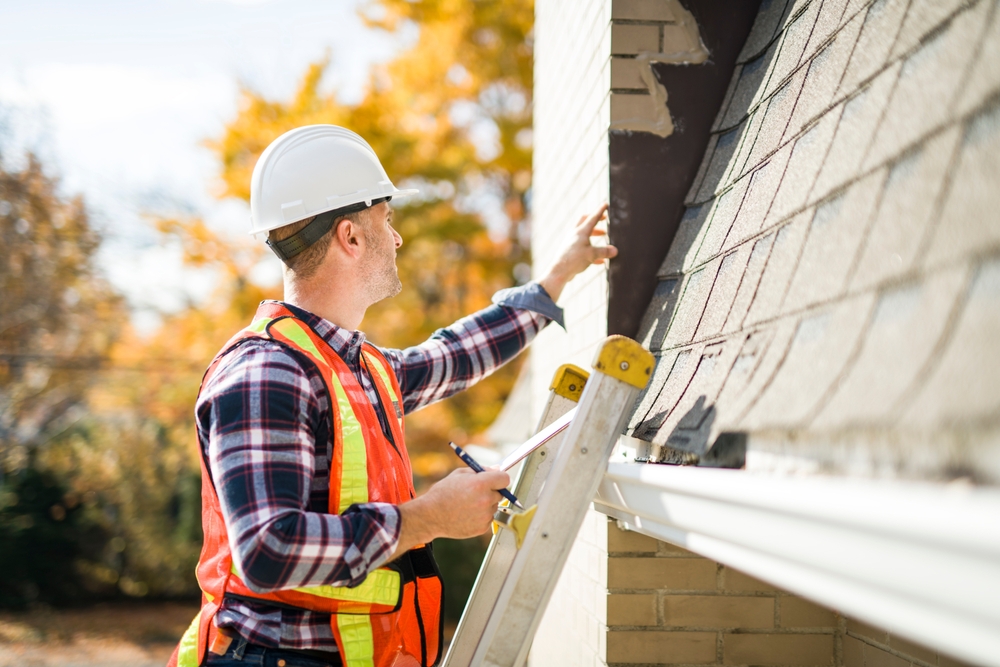
- Keep roofs, gutters, and HVAC systems in good condition
- Repair cracked foundations and replace old pipes
- Trim trees and remove dead branches that could fall during storms
Proactive maintenance could prevent a costly claim that would raise your rates for years to come.
Limit Small Claims
Every time you file a claim, it’s recorded in a national database (CLUE). Too many claims—even small ones—can trigger a rate hike or make it harder to get insurance in the future.
- Pay for minor repairs out of pocket when possible
- Reserve insurance for significant losses
Review and Adjust Your Coverage
Your insurance should reflect the current value of your home and belongings—not necessarily what you paid for it.
- Remove unnecessary riders or high-value item coverage you no longer need
- Ensure coverage limits match actual replacement costs, not inflated estimates
- Switch from guaranteed replacement to extended replacement cost coverage if appropriate
Make Your Home More Disaster-Resistant
In high-risk areas, upgrades that protect your home from hurricanes, wildfires, or earthquakes can significantly lower your premium.
- Add storm shutters or reinforce garage doors
- Replace your roof with impact-resistant materials
- Clear brush and debris to create a firebreak around your home
- Retrofit your home for seismic activity if you live near a fault line
Some states and local governments even offer grants for these upgrades.
Work With an Independent Agent
An independent insurance agent can help you find the best deals across multiple insurers and tailor a policy that fits your budget and needs.
- They advocate for you, not the insurance company
- They’re aware of insurer-specific discounts and regional risks
Stay Ahead of the Curve in 2025
Home insurance costs are likely to keep climbing as climate change, inflation, and rebuilding challenges continue to evolve. Taking a proactive approach to managing your risk and understanding how insurers calculate premiums can save you hundreds—if not thousands—of dollars annually.
Smart Homeowners Make Smart Adjustments
Rising premiums don’t have to take you by surprise. By reassessing your coverage, making strategic upgrades, and taking advantage of available discounts, you can put yourself in a stronger financial position this year. What feels like a frustrating increase today could be the motivation you need to make smarter, long-term decisions for your home and your wallet.