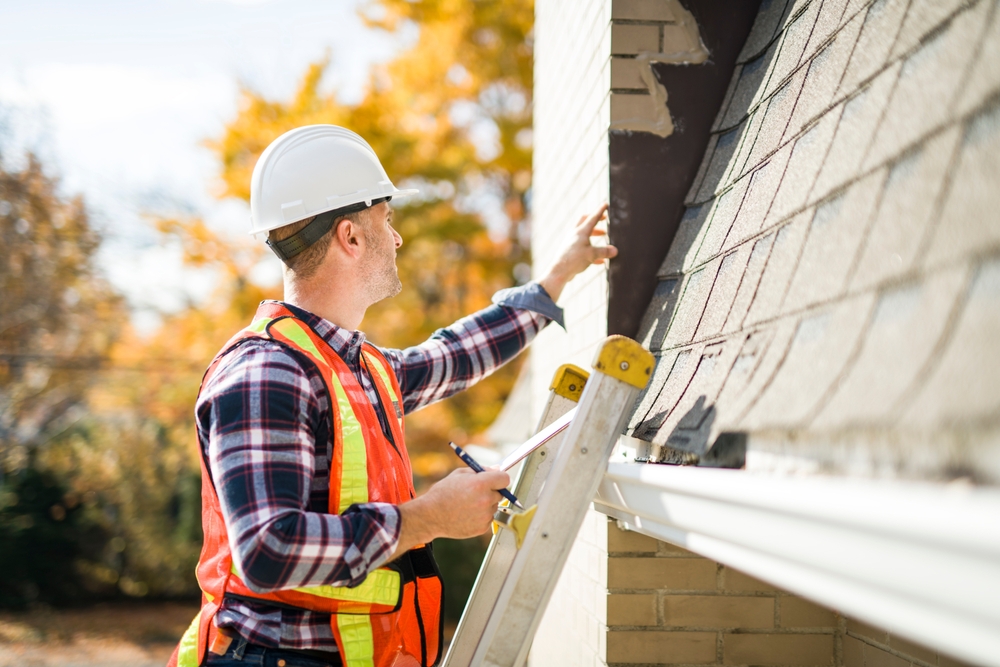
Are you looking for ways to cut down your energy bills while improving the value and comfort of your home? Energy-efficient living has become more than just a trend—it’s now a financial opportunity. As governments and local authorities push for more sustainable practices, homeowners can take advantage of a variety of grants and incentives that actually pay you to go green.
From solar panels to insulation upgrades, there’s money on the table for those who want to reduce their carbon footprint. Whether you own a single-family home, a townhouse, or a manufactured home, there are programs designed to ease the cost of energy-efficient upgrades. Here’s how to tap into them.
Why Go Green with Home Improvements?
Energy-efficient home improvements do more than reduce environmental impact—they also offer immediate financial benefits. Upgrading to more efficient appliances or improving your insulation can drastically lower utility bills. Over time, these savings can offset the cost of the upgrades themselves.
Plus, energy-efficient homes tend to be more comfortable, quieter, and better at maintaining consistent indoor temperatures. And when it’s time to sell, green features often boost home resale value.
Popular Energy-Efficient Upgrades That Qualify for Grants
Before diving into which grants and programs are available, it’s helpful to understand which types of upgrades are most commonly covered.
- Energy-efficient windows and doors
- Improved home insulation (attic, walls, crawl spaces)
- High-efficiency HVAC systems
- Solar panels and solar water heaters
- Smart thermostats and home energy management systems
- Energy Star certified appliances
- Heat pumps and geothermal heating systems
Each of these improvements can significantly reduce a home’s energy consumption and are often the focus of both federal and local energy-efficiency incentives.
Federal Grants and Tax Credits
In the United States, the federal government provides several key programs to encourage energy-efficient living. The most well-known include the following.
- Energy Efficient Home Improvement Credit: Offers up to 30% of the cost of certain energy upgrades, including insulation, energy-efficient doors and windows, and home energy audits, with annual limits per item.
- Residential Clean Energy Credit: Covers up to 30% of the cost of solar panels, geothermal heat pumps, and other renewable energy systems installed through 2032.
- Weatherization Assistance Program (WAP): Offers low-income households free or subsidized home energy upgrades, including insulation and energy-efficient heating/cooling systems.
To qualify for these programs, homeowners usually need to use certified contractors and install products that meet specific energy standards.
State and Local Grant Programs
Many states, cities, and counties also offer their own energy-efficiency grant programs. These vary widely based on location, but often include rebates or upfront grants for qualifying improvements.
Notable Examples
- California’s TECH Initiative: Offers rebates for installing electric heat pumps and other clean technologies.
- New York State Energy Research and Development Authority (NYSERDA): Provides financial incentives for energy audits and upgrades under its Home Performance with ENERGY STAR program.
- Mass Save (Massachusetts): Offers up to thousands of dollars in rebates and no-cost home energy assessments.
- Texas LoanSTAR Program: While more focused on public buildings, some local Texas municipalities offer residential grant programs as well.
Local utility companies also commonly offer rebates for energy-efficient appliances or lighting upgrades, so it’s worth checking with your electricity or gas provider.
How to Qualify and Apply
Getting access to these grants typically involves a few common steps.
- Conduct an energy audit: Some programs require an official home energy assessment to identify areas for improvement and confirm eligibility.
- Meet income or residency requirements: While some programs are open to everyone, others may prioritize low-to-moderate income households or specific housing types.
- Use approved contractors and products: Many grants require the use of certified professionals and ENERGY STAR or similar rated products.
- Submit documentation: Receipts, before-and-after photos, and audit reports may be required for approval or reimbursement.
It’s best to start with your local or state energy office, then move on to federal options to stack potential benefits.
Tips to Maximize Your Green Investment
Making your home more energy-efficient doesn’t have to be expensive, especially when you use available grants and incentives. Here are a few tips to help you get the most out of your investment.
- Prioritize upgrades with the biggest return on investment, like insulation and HVAC systems.
- Combine local, state, and federal incentives whenever possible.
- Time your project with seasonal promotions or contractor availability.
- Explore financing options like low-interest energy loans or on-bill financing through utilities.
Sustainable Living, Real Rewards
Energy-efficient living isn’t just about saving the planet—it’s also about smart financial choices that benefit you now and in the future. From federal tax credits to local grants and rebates, homeowners have more support than ever to create a greener, more efficient home. With thoughtful planning and the right improvements, you can lower your bills, boost your home’s value, and help build a more sustainable world—one upgrade at a time.